

Reading time: 15 min
Key Takeaways
- Flexibility and earning potential – Remote recruiter roles offer schedule freedom and uncapped commission opportunities, especially at agencies like Goodwin Recruiting.
- Active hiring by top companies – Firms such as Robert Half, Goodwin Recruiting, and Thrivas are consistently posting thousands of remote recruiter positions.
- Critical skills to stand out – Boolean search, Applicant Tracking Systems (ATS), and social recruiting on LinkedIn are non‑negotiable for competitive candidates.
- Entry‑level pathways exist – With transferable skills from sales or HR admin, structured effort, and persistence, you can break into remote recruiting even without direct experience.
Let us be honest. I have very little patience for job‑search advice that sounds like a motivational poster. So let me give you something more useful: a clear, data‑backed path to landing a remote recruiter job in 2026. Did you know that LinkedIn alone lists over 1,000 remote recruiter positions as of June 2026? Yet finding a legitimate role that matches your skills can feel like a full‑time job in itself. The problem is not a lack of opportunities. It is the noise: overwhelming listings, scam postings, and vague requirements that leave you spinning your wheels. This guide cuts through that noise to help you understand the role, target the right companies, and land the job. We will cover salary ranges, essential skills, top employers, and step‑by‑step strategies for breaking in without prior experience. Whether you are searching for a work from home recruiter position or simply curious about the remote recruiter salary, this article is your starting point.
What Does a Remote Recruiter Do?
- Sourcing candidates via LinkedIn, job boards, and referrals.
- Screening resumes and conducting video interviews.
- Coordinating interviews with hiring managers.
- Extending offers and managing onboarding.
- Using ATS and CRM tools to track pipelines.
That list captures the essence of what a remote recruiter does every day. The term remote recruiter responsibilities has evolved significantly as digital hiring tools have taken centre stage. In 2026, a remote recruiter is typically a full‑cycle talent acquisition specialist who manages the entire hiring process from a home office. They work for staffing agencies or in‑house teams, and their tools are the backbone of modern recruiting: LinkedIn Recruiter, Zoom, DocuSign, and a robust Applicant Tracking System (ATS). If you are exploring the role of a remote talent acquisition specialist, expect to spend your days blending strategic sourcing with operational follow‑through.
Core Recruiting Tasks
On a typical day, a remote recruiter might review 30‑50 resumes sent via an ATS, screen five candidates over video, and prepare a shortlist for a hiring manager. The work relies heavily on Boolean search strings to uncover passive candidates and on social media outreach to engage potential hires. The shift to digital means the recruiter must be comfortable using a combination of tools to maintain a talent pipeline that is always fresh.
Tools of the Trade
| Task | Digital Tool Used |
|---|---|
| Screening | Zoom / Microsoft Teams |
| Sourcing | LinkedIn Recruiter |
| ATS | Greenhouse / Workday / Lever |
| Offer negotiation | DocuSign / Adobe Sign |
| Candidate communication | Email / Slack / Text |
Insider Tip: At Goodwin Recruiting, autonomy and earning potential are key differentiators. Full‑cycle recruiters own their pipeline and are compensated with uncapped commission. This model attracts seasoned professionals and rewards performance over hours logged. Most people get this wrong—they think remote recruiting is just about screening resumes. In reality, it is about strategic sourcing and relationship management.
Typical Workflows
A remote recruiter’s workflow is cyclical: source, screen, interview, offer, onboard. The most effective recruiters maintain a balanced pipeline of active and passive candidates. The real question is not whether you can handle the volume, but how well you can prioritise. That is where things get interesting.

Top Companies Hiring Remote Recruiters in 2026
When searching for a work from home recruiter position, knowing which companies invest in remote talent acquisition is half the battle. The market in 2026 is dominated by large staffing agencies that have long embraced remote work, plus a growing number of remote‑first companies building in‑house teams.
Leading Staffing Agencies
Robert Half, Goodwin Recruiting, and Thrivas consistently post hundreds of remote recruiter jobs each month. These agencies operate on a model where recruiters manage their own client accounts and are often rewarded with commission. The volume is high: Indeed lists 737+ remote recruiter openings (as of June 2026), while LinkedIn and ZipRecruiter each exceed 1,000 listings. If you want volume, start here.
In‑House Remote Recruiting Roles
Beyond agencies, companies like Built In, Automattic, and GitLab hire internal remote recruiters. These roles often offer a more predictable schedule and equity, but less upside from commission. For many, the stability is worth the trade‑off. The best job boards for remote recruiting positions include Remote.co and Working Nomads, which we’ll compare below.
How to Spot Legitimate Opportunities
Scams are rampant. I have seen it firsthand. Use this checklist to filter out fake postings:
- Requests for upfront payment for training or job placement.
- Vague job descriptions with no mention of specific ATS or industry.
- Salary ranges that seem too good to be true (e.g., $150k for entry‑level).
- No company website or verified LinkedIn presence.
- Hired immediately without an interview or skills assessment.
If you strip away the noise, a legitimate employer will always provide clear details about tools, team structure, and compensation. To help you choose the right platform, here is a comparison of the top job boards for remote recruiting positions:
| Job Board | Avg. Listings (June 2026) | Pros | Cons | Best For |
|---|---|---|---|---|
| Indeed | 737 | Massive database, easy filters | Many low‑quality posts | Volume searchers |
| 1,000+ | Networking built in, recruiter tags | Premium features cost money | Professionals with a strong profile | |
| ZipRecruiter | 1,000+ | Fast application, salary data | Spam emails common | Quick job alerts |
| Remote.co | 300+ | Curated remote‑only listings | Smaller volume | Exclusive remote seekers |
Essential Skills for Remote Recruiters in 2026
Most people underestimate what it takes to be effective in a remote environment. The remote recruiting skills that separate average from exceptional are not just about communication—they are about system mastery and data interpretation. This is not complicated, but it is demanding.
Technical Skills
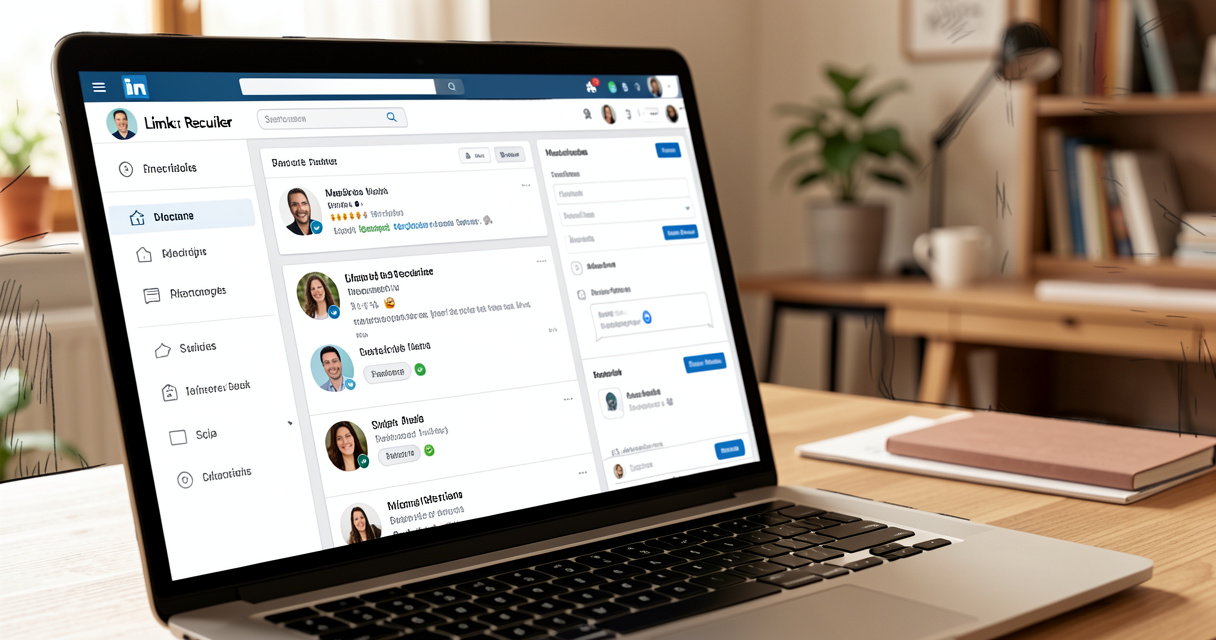
You must be proficient with at least one major ATS (Greenhouse, Workday, or Lever), comfortable writing Boolean search strings, and experienced in using LinkedIn Recruiter for sourcing. Familiarity with CRM tools like Salesforce and project management software like Google Workspace or Asana is also highly valued. Data analysis—tracking conversion rates from sourcing to hire—gives you a competitive edge.
Soft Skills
Empathy, resilience, and time management are the human side of recruiting. You will face rejection from candidates and hiring managers alike. The ability to maintain composure and keep a positive candidate experience is what turns average recruiters into trusted advisors.
Certifications & Training
Certifications like AIRS (Advanced Internet Recruiting Strategies) or a SHRM‑CP can demonstrate commitment, but they are not mandatory. If you are asking “Do I need a certification for remote recruiting?”—the honest answer is no, but it can help you stand out. Many online courses on Udemy or LinkedIn Learning cover the technical skills you need.
| Skill | Importance Level | How to Develop |
|---|---|---|
| Boolean Search | High | Online courses on Udemy / practice on Google |
| ATS Proficiency | High | Free demos from Greenhouse / Lever |
| Social Recruiting (LinkedIn) | High | LinkedIn Learning course / daily practice |
| Communication & Empathy | Medium | Volunteer for mock interviews / join a mentoring program |
| Data Analysis | Medium | Excel or Google Sheets courses; practice with pipeline reports |
If you want to know how to become a remote recruiter with no degree, these skills are your ticket. Degrees help, but practical ability in Boolean logic and ATS navigation matters more.
Remote Recruiter Salary: What Can You Expect to Earn?
Let me cut to the chase. The virtual recruiter salary varies widely depending on experience, industry, and compensation structure. Data from ZipRecruiter shows an hourly range of $21‑$36 for general remote recruiters. For senior roles, such as a Senior Clinical Talent Acquisition Specialist, Robert Half reports rates as high as $39‑$40 per hour. Annual salaries typically fall between $45,000 and $85,000, but with commission, top performers regularly cross six figures.
Hourly vs. Salaried Positions
Staffing agency recruiters are often paid hourly plus commission, while in‑house roles tend to be salaried with bonuses. The trade‑off is variability: agency recruiters can see their income spike during good quarters, while in‑house recruiters enjoy more predictable pay.
Commission and Bonuses
Uncapped commission is where the real earning potential lies. I spoke with a recruiter at Goodwin Recruiting who told me her earnings doubled in year two. She attributes it to the autonomy to build her own network and the agency’s uncapped commission model. If you ask “Can remote recruiters earn six figures?”—the answer is yes, especially if you are at an agency that rewards placement success.
Negotiation Tips
When negotiating, focus on total compensation. If base salary is lower than expected, ask about commission tiers, signing bonuses, or performance bonuses. Use data from the table below to set realistic expectations.
| Experience Level | Salary Range (Base + Commission) |
|---|---|
| Entry‑level / Junior | $35,000 – $45,000 |
| Mid‑level | $50,000 – $70,000 |
| Senior / Lead | $75,000 – $100,000+ (incl. commission) |
How to Land a Remote Recruiter Job Without Experience
You have no direct recruiting background. So what? The gap between where you are and a remote recruiting job no experience is not as wide as you think. Most people get this wrong: they assume they need a degree or a magic certification. In reality, transferable skills and a structured approach open the door.
Leverage Transferable Skills
Sales, customer service, HR administration, even project management—all feed into recruiting. You already know how to communicate, negotiate, and follow up. Tailor your resume to highlight metrics: “Managed a pipeline of 50 leads” or “Improved response rate by 20%.” These are the signals hiring managers look for.
Build a Recruiter Portfolio
Create a simple document or online portfolio showing your sourcing and screening process. Include sample Boolean strings, a mock job ad you’ve written, or a case study of how you would fill a hard‑to‑find role. This is rare and impressive.
Target Entry‑Level Platforms
Focus on junior recruiter titles, recruiting coordinator roles, or internships at staffing agencies. Companies like Robert Half and Thrivas often have fast‑track training programs for career changers. Use the following checklist to stay on track:
- Create a targeted resume focusing on transferable skills.
- Build a strong LinkedIn presence with recruiter‑friendly keywords.
- Apply to junior roles at staffing agencies every week.
- Practice mock interviews with a friend or mentor.
Success Story: Consider Alex, a former retail manager who transitioned into remote recruiting. He started as a recruiting coordinator at a staffing agency, learned Boolean search and ATS basics on the job, and within six months moved into a full‑cycle remote recruiter role. His tip: volunteer to help with any part of the hiring process to build credibility.
Pros and Cons of Remote Recruiting Careers
Remote recruiting is not for everyone. Let me give you a balanced view based on dozens of conversations with professionals in the field. If you are weighing the remote recruiting career benefits against the drawbacks, here is what you need to know.
Advantages
- Flexibility to set your own schedule and work from anywhere.
- Unlimited earning potential through uncapped commission at many agencies.
- Opportunity to build a wide network and learn about multiple industries.
- No commute, less overhead, more time for what matters.
Challenges
- Isolation – you may spend hours alone on video calls and emails.
- Difficulty unplugging – the line between work and home blurs.
- Constant rejection – from both candidates and clients; resilience is critical.
- Lack of structure – you must self‑motivate every day.
Who Should (Not) Apply
If you thrive on autonomy, enjoy connecting with people, and can handle ups and downs, remote recruiting could be a great fit. If you need a fixed schedule, minimal rejection, or a team around you all day, you might struggle. That is not a judgment—it is honesty.
| Pros | Cons |
|---|---|
| Flexible schedule | Hard to unplug |
| Unlimited earning (with commission) | Income fluctuation |
| Broad industry exposure | Isolation |
| No commute | Self‑discipline required |
Future of Remote Recruiting Jobs – Trends to Watch
The landscape is shifting fast. To stay relevant, you need to understand where the market is heading. The remote recruiting trends 2026 are shaped by technology and globalisation.
AI and Automation
ATS automation and AI‑driven screening are already handling early‑stage tasks. The real question is not whether AI will replace recruiters, but how it will shift the focus. Recruiters will spend more time on strategy, candidate experience, and complex negotiations—tasks machines cannot (yet) manage.
Global Sourcing
Remote‑first companies like Built In are hiring globally. We already see junior and lead recruiter roles advertised in Mexico and other regions as companies tap into diverse talent pools. If you are willing to work across time zones, your opportunities expand dramatically.
Skills in Demand
Tech recruiting remains hot, but there is growing demand for recruiters who can handle data analytics and employer branding. The combination of a strong network and data literacy will set you apart.
| Trend | Impact on Remote Recruiters |
|---|---|
| AI screening tools | Recruiters must pivot to strategic tasks and relationship building |
| Global hiring | Need cross‑cultural communication and flexible hours |
| Data‑driven recruiting | Demand for analytics skills (pipeline metrics, conversion rates) |
Frequently Asked Questions
What does a remote recruiter do?
A remote recruiter handles end‑to‑end talent acquisition from home—sourcing, screening, interviewing, and onboarding candidates via digital tools. They work for staffing agencies or in‑house teams.
How much do remote recruiters make?
Salaries range from $21‑$36 per hour (ZipRecruiter) to $39‑$40 per hour for senior roles (Robert Half). Annual salaries typically fall between $45,000 and $85,000, with commission opportunities.
What skills are needed for remote recruiting?
Key skills include Boolean search, ATS proficiency, social recruiting (LinkedIn), communication, time management, and empathy. Certifications like AIRS can help.
Can you work from home as a recruiter?
Yes, many recruiters work fully remotely. Companies like Robert Half, Goodwin Recruiting, and Thrivas offer remote recruiting positions. Job boards on Indeed and LinkedIn list thousands of openings.
How do I get a remote recruiter job with no experience?
Start as a recruiting coordinator or intern, highlight transferable sales/HR skills, earn a certification, and network on LinkedIn. Entry‑level jobs exist at staffing agencies.
What are the best job boards for remote recruiter jobs?
Top boards: Indeed (737+ jobs), LinkedIn (1,000+), ZipRecruiter (1,000+), Remote.co, and Working Nomads. Each offers different filters for remote and freelance roles.
Is remote recruiting a good career?
It offers flexibility, unlimited earning potential (e.g., Goodwin Recruiting), and the chance to impact hiring. However, it can be isolating and requires self‑discipline.
The remote recruiter landscape is full of opportunity if you approach it with the right mindset and preparation. To recap: remote recruiters enjoy flexibility and strong earning potential, especially with commission. Top companies like Robert Half and Goodwin Recruiting are actively hiring. Skills in Boolean search, ATS, and social recruiting are critical to stand out. Entry‑level candidates can succeed by leveraging transferable skills and persistence. With the right strategy and tools, your next career move is just one application away. Are you ready to take control of your work‑from‑home talent acquisition opportunities?

Cuts through business noise to write about modern work, digital systems, and what actually helps people think, build, and operate better.