

Reading time: 3 min
Key Takeaways
- Chance as Strategy: Surrendering control to randomness can unlock unexpected opportunities in business.
- Reading Shapes Judgment: The books entrepreneurs consume directly influence their decision-making frameworks.
- Risk Recalibration: Calculated randomness, not reckless gambling, is the lesson from The Dice Man.
Most entrepreneurs point to strategy, timing, or instinct as the backbone of their success. For one billionaire, the answer is stranger: a cult novel about rolling dice to make life’s biggest decisions.
The Book That Breaks Rationality
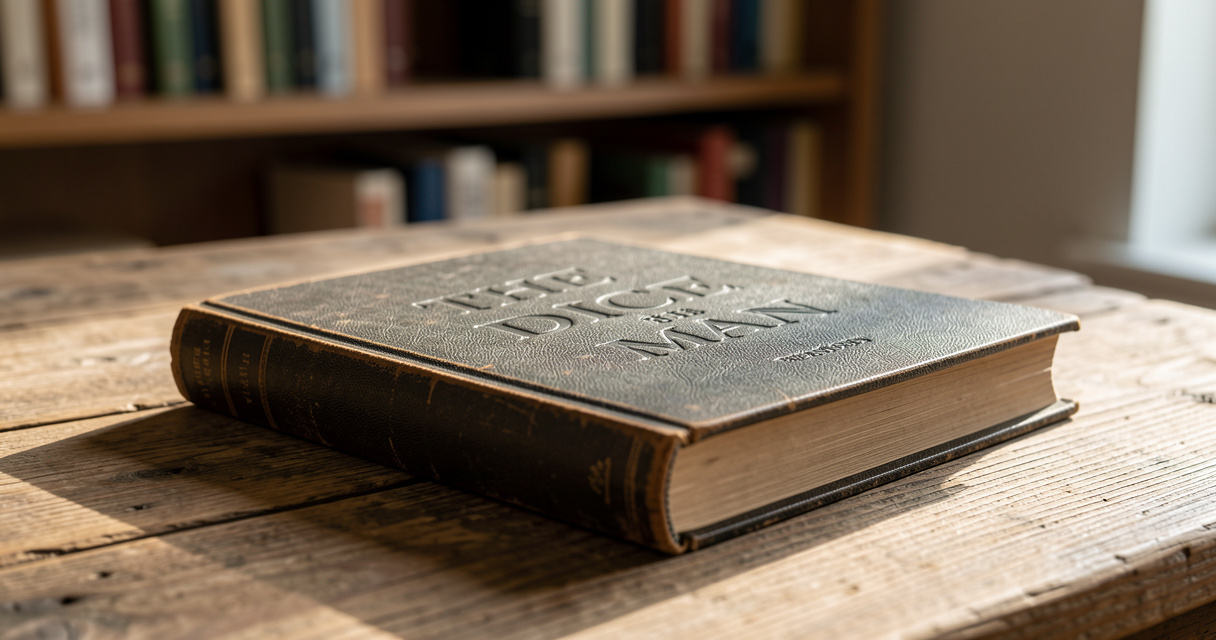
The Dice Man by Luke Rhinehart was published in 1971 and quickly became a counterculture phenomenon. The story follows a psychiatrist who decides to let a die determine his actions — from mundane choices to life-altering ones. The book’s premise challenges the very idea of control, a concept most entrepreneurs cling to.
Richard Branson, founder of Virgin Group and its 400+ companies including Virgin Atlantic and Virgin Galactic, has long been open about his reading habits. He launched a Literati book club called Read Like An Artist in 2022, reinforcing his belief that reading is one of the most powerful tools an entrepreneur can have.
Why Reading Matters to a Builder
“Reading and understanding the media landscape is important for everyone, and it is especially important for entrepreneurs,” Branson has written. “You need to be able to spot opportunities where others see challenges. You need to solve problems. To do this, you must understand the problems of the world, and find new ways to solve them.”
This is not a soft endorsement. Branson treats books as operational tools. He reads to reframe his perception of risk, to break through the noise, and to find patterns others miss. The Dice Man did not teach him to gamble — it taught him to question certainty.
Where Most People Get This Wrong
Let us be honest. The idea of using randomness in business sounds reckless. But Branson’s take is more refined than the book’s surface message. He did not start rolling dice before board meetings. Instead, he absorbed the principle that over-rationalizing decisions can blind you to better options.
The real question is not whether you should flip a coin to run your company. It is whether you have the courage to pursue a path that does not come with a guarantee. That is where things get interesting.
The Practical Implication
If you strip away the noise, The Dice Man offers a lesson in humility. The fantasy of total control is exhausting and often counterproductive. Branson’s career is a testament to taking calculated leaps into the unknown — launching airlines, space ventures, and music labels with odds that looked unfavorable on paper.
This is not complicated, but it is demanding. Read widely. Let your frameworks be challenged. And sometimes, let the dice fall where they may.
Cuts through business noise to write about modern work, digital systems, and what actually helps people think, build, and operate better.